Review: Hanging Black and White Vintage Lanterns
As a designer who has spent years digitizing and stitching countless patterns, I approach every new machine embroidery design with a mix of curiosity and caution. We have all been there: downloading a file that looks stunning on the screen but turns into a tangled mess of thread breaks and puckering on the fabric. Recently, I evaluated Hanging Black and White Vintage Lanterns, a set of illustrations categorized under Graphics, to see if it holds up in real-world production. This is not just about aesthetics; it is about whether this asset can survive the needle and serve your craft business effectively.
First Impressions and Visual Mood
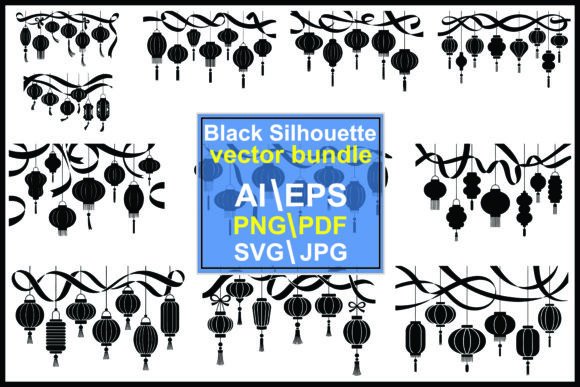
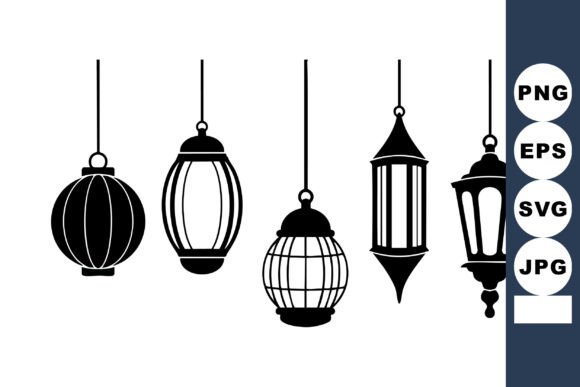
The immediate appeal of Hanging Black and White Vintage Lanterns lies in its silhouette style. The image features five distinct lantern shapes, each hanging as if suspended in mid-air. The black and white contrast creates a classic, elegant mood that feels timeless rather than trendy. For an embroidery designer, high-contrast visuals are crucial because they translate well into stitch paths. The unique shapes and details suggest a level of sophistication that elevates a simple item into a boutique-quality piece.
When I first opened the downloadable ZIP, I looked for clarity in the lines. In embroidery, vague edges lead to poor stitch definition. These lanterns appear to have clean boundaries, which is promising for both satin stitch outlines and fill stitch interiors. The vintage aesthetic makes this design versatile, fitting seamlessly into farmhouse decor, gothic-inspired collections, or minimalist modern home goods.
Real-World Application: The Tote Bag Test
To truly judge a design, you must imagine it stitched out. I visualized using Hanging Black and White Vintage Lanterns on a heavy canvas tote bag. This is a staple product for many Etsy sellers and small shop owners. The vertical orientation of the hanging lanterns works perfectly for the side panel of a tote or centered on the front. Because the design relies on silhouette, it does not require complex color blending, making it cost-effective for production.
I also considered this design for sweatshirt embroidery. A charcoal grey or deep navy sweatshirt would provide an excellent background for the white or light-colored thread versions of these lanterns. The classic elegant mood complements the cozy, relaxed vibe of custom apparel. It is not overly childish, so it appeals to adult buyers looking for subtle, artistic details on their garments. For a personalized gift, adding a small monogram beneath the lanterns could create a bespoke feel without cluttering the design.
Versatility Across Product Lines
Beyond apparel and bags, this graphic has potential in home decor. Imagine these lanterns stitched onto a linen pillow cover or a kitchen tea towel. The hanging nature of the design mimics actual decor items, creating a meta-aesthetic that customers often find charming. For holiday embroidery, particularly around Halloween or winter solstice themes, these vintage lanterns evoke warmth and mystery. They serve as excellent design assets for seasonal collections without being overtly themed with pumpkins or snowflakes, allowing them to remain relevant for longer periods.
For those selling digital embroidery files or printable mockups, the high-contrast nature of these Illustrations makes them ideal for preview images. They stand out clearly against various backgrounds, helping potential buyers visualize the finished product quickly. This clarity can significantly boost buyer engagement and trust in your online listings.
Technical Considerations and Stitching Challenges
While the visual appeal is strong, practical execution requires attention to detail. Since the description mentions unique shapes and details, we must consider stitch density. If the lanterns have intricate cut-outs or fine lines, the digitizer must ensure that the stitch count is not too high for delicate fabrics. High density on thin fabric leads to puckering and distortion. Always check the stitch density before running a full production batch.
Fabric texture plays a major role here. On textured fabrics like terry cloth or heavy denim, fine details might get lost. I recommend testing this design on a smooth cotton or stable polyester blend first. If you are working with stretchy fabric, such as jersey for t-shirts, a proper stabilizer is non-negotiable. Without adequate support, the weight of the stitches could pull the fabric, distorting the elegant lines of the lanterns.
Another critical factor is hoop size. Ensure that the design fits comfortably within your machine’s hoop without needing to re-hoop, which can cause alignment issues. If the lanterns are large, they may require a larger hoop, limiting their use on smaller items like baby clothes or caps. For curved surfaces like hats, the flat silhouette style is advantageous because it does not have complex 3D elements that might snag or look distorted when wrapped around a curve.
Commercial Viability and Brand Consistency
For commercial embroidery projects, consistency is key. Using a cohesive set of graphics like Hanging Black and White Vintage Lanterns helps build brand recognition. If your shop specializes in vintage or rustic items, this design aligns perfectly with that identity. It adds value to the handmade product by offering a professional, polished look that mass-produced items often lack.
However, before selling finished items or digital products, you must confirm licensing terms. The downloadable ZIP should include clear information on whether the license allows for commercial use. Never assume; always read the included documentation. Protecting your craft business from legal issues is as important as the quality of your stitching.
Practical Designer Notes
Before committing to a large order, follow these steps:
- Test on scrap fabric: Always run a test stitch-out on the same type of fabric you intend to use for the final product. This reveals any tension issues or thread breaks.
- Check thread color contrast: While black and white is classic, experiment with dark brown or navy threads for a softer vintage look. Ensure the thread color contrasts sufficiently with the fabric background.
- Inspect small details: Zoom in on the digitized file. Are there tiny jumps or unnecessary trims? Clean up the file if necessary to reduce production time.
- Use proper stabilizer: Match the stabilizer to the fabric weight. Cut-away stabilizers are often better for garments that will be washed frequently, while tear-away works for stable home decor items.
- Compare backgrounds: Test the design on both light and dark fabrics. Sometimes a design that looks great on white disappears on black if the digitizing does not account for underlay stitches properly.
In conclusion, Hanging Black and White Vintage Lanterns offers a sophisticated, versatile option for embroidery designers. Its strength lies in its clean silhouette and timeless mood, making it suitable for a wide range of applications from custom apparel to home decor. By paying attention to technical details like stitch density and fabric stability, you can leverage this graphic to create high-value, professional-looking products that resonate with customers. It is a solid addition to any designer’s library of Illustrations and Graphics, provided it is used with the care and precision that quality embroidery demands.