Reviewing Baroque Design Elements and Ornaments for Stitching
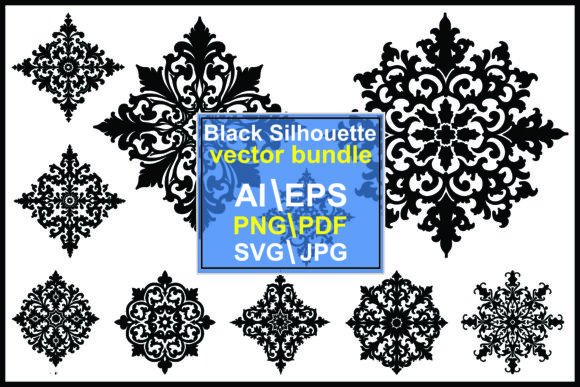
As a designer who has spent years translating digital art into thread, I have learned that not every pretty picture makes a good machine embroidery design. When I first opened the file for Baroque Design Elements and Ornaments, my immediate reaction was one of cautious optimism. The collection promises high-contrast black ornamental filigree on a white background, featuring scrollwork, flourishes, and vintage damask patterns. Visually, these Illustrations are striking. But the real question for any serious Etsy seller or craft business owner is simple: will this translate cleanly to fabric?
The Aesthetic Impact and First Impressions
The mood of this collection is undeniably elegant. The intricate lines and symmetrical layouts evoke a sense of history and luxury. For a personalized gift or a boutique product, this visual personality adds instant perceived value. However, looking at these Graphics through the lens of an embroiderer, I noticed the extreme detail. The fine lines of the filigree and the complex curves of the scrollwork suggest a high level of precision is required. This is not a design you can rush. It belongs to projects where the customer expects refinement, such as wedding gifts, heirloom baby items, or high-end home decor.
In a real-world scenario, I imagined using one of the larger damask motifs for a custom embroidered tote bag. The contrast of black thread on a natural canvas would be stunning. Yet, I had to pause and consider the stitch count. Dense areas in baroque designs can become heavy. If the stitch density is too high, the fabric might pucker, ruining the clean look we are aiming for. This is why understanding the source material is crucial before committing to a full production run.
Practical Applications for Small Shops
For small shop product creators, versatility is key. This collection offers several potential avenues. The snowflake and mandala-inspired elements could work beautifully for holiday embroidery on kitchen towels or pillow covers. The yin yang and symmetrical ornaments lend themselves well to custom apparel, particularly on the back of a sweatshirt or the chest pocket of a denim jacket.
I recently tested a similar style of ornate pattern on a sweatshirt embroidery project. The result was impressive, but only because I adjusted the stabilization. For Baroque Design Elements and Ornaments, I recommend using a cut-away stabilizer for garments that will be washed frequently. The weight of the thread needs support to maintain the integrity of those delicate flourishes. Without it, the design may distort after the first wash, leading to unhappy customers and returns.
Another strong use case is the embroidered patch. Because these designs are self-contained ornaments, they can be digitized as standalone patches. This allows apparel decorators to create removable accents for caps or bags. It expands the utility of the design assets beyond direct stitching, offering more value to your clients.
Navigating Technical Challenges
While the aesthetic is strong, there are areas where caution is necessary. The primary concern with any filigree-heavy embroidery file is the minimum stitch length. If the digital file contains lines that are too thin for the needle to execute properly, you will end up with bird nests or broken threads. This is especially true when working with textured fabrics like terry cloth or thick wool. The needle may struggle to penetrate consistently, causing the fine details of the baroque pattern to blur.
Additionally, consider the hoop size. Many of these ornamental elements are wide. If you are working on a curved surface, like a cap, you must ensure the design fits within the usable area of your cap frame without distortion. Stretchy fabrics also pose a risk. The pull of the thread can warp the intricate scrollwork, making it look uneven. Always test on scrap fabric that matches your final product. Check how the thread colors interact with the fabric texture. Black thread on dark navy fabric, for example, might lose the definition that makes these designs pop.
For baby embroidery, be mindful of scratchiness. Dense fill stitches can feel stiff against sensitive skin. If using these designs on onesies or bibs, consider backing the embroidery with a soft cover stitch or choosing a lighter weight thread to reduce bulk. The goal is beauty without compromising comfort.
Enhancing Brand Value and Customer Trust
Using high-quality design assets like Baroque Design Elements and Ornaments can significantly elevate your brand. When customers see crisp, well-executed ornamental work, they associate it with professionalism. This builds trust. Whether you are selling a finished product or offering commercial embroidery services, the clarity of the stitch work speaks volumes.
To maximize this effect, pay attention to presentation. Use printable mockup tools to show clients how the design will look on their chosen item before you stitch. Compare light and dark fabric backgrounds in your previews. This helps manage expectations and reduces the likelihood of disputes. For digital product sellers, if you are selling the files themselves, ensure you provide clear guidance on recommended stabilizers and needle sizes. This added value encourages positive reviews and repeat business.
Essential Designer Notes for Execution
Before you load this collection into your machine, take these practical steps:
- Test on Scrap Fabric: Never stitch a new design directly on your final product. Run a test to check for puckering or thread breaks.
- Check Stitch Density: Inspect the file to see if there are overly dense areas that might need editing to reduce bulk.
- Verify Licensing: Confirm whether the license allows for commercial use if you plan to sell items made with these designs. Do not assume; read the terms provided with the digital embroidery file.
- Contrast Matters: These designs rely on high contrast. Ensure your thread color stands out sharply against the fabric. Black on white is ideal, but black on black will fail.
- Stabilizer Selection: Match your stabilizer to the fabric. Use tear-away for stable woven fabrics and cut-away for knits or stretchy materials.
In conclusion, Baroque Design Elements and Ornaments is a powerful tool for the right project. It offers a sophisticated look that can command higher prices in the handmade market. However, it demands respect for its complexity. By understanding the limitations of your machine and the nature of your fabric, you can turn these intricate Illustrations into stunning, durable handmade products. Take the time to plan, test, and refine. Your customers will notice the difference.