Reviewing the Ornamental Swirl Vector Collection for Embroidery
As a designer who spends half my life digitizing files and the other half staring at thread breaks, I approach new Illustrations with a healthy dose of skepticism. We have all seen those decorative packs that look stunning on a screen but turn into a tangled mess under the needle. Recently, I downloaded the Ornamental Swirl Vector Collection to evaluate its potential for real-world application. This is not just a theoretical review; I wanted to see if these elegant divider elements could translate into high-quality machine embroidery design assets for my current client projects.
First Impressions: Mood and Visual Personality
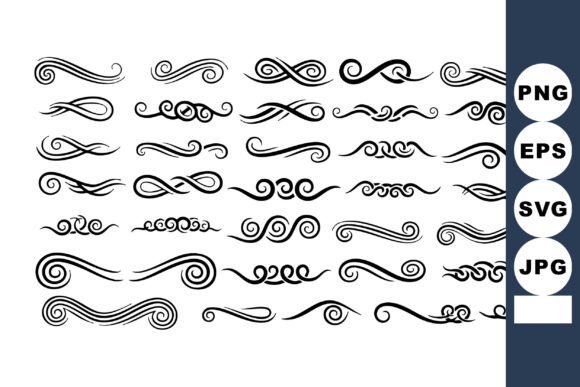
The first thing you notice about the Ornamental Swirl Vector Collection is its sophisticated mood. It does not scream for attention with loud colors or chaotic shapes. Instead, it offers a classic, vintage style that feels timeless. The lines are fluid, creating a sense of movement that is essential for keeping the eye engaged in a static design. For those of us working in Graphics, the clean vector paths suggest that these elements were built with precision, which is a promising sign for digitization.
However, visual appeal on a monitor is only half the battle. In embroidery, we deal with physical constraints. The swirls in this collection feature varying thicknesses and intricate curves. My immediate thought was how these would hold up when converted into stitches. Would the fine tails disappear? Would the dense centers cause puckering? These are the questions that separate a pretty picture from a viable embroidery project.
Real-World Application: From Screen to Stitch
To test the practicality of this collection, I imagined a specific scenario: a custom order for a boutique bridal shop. The client wanted personalized tote bags and linen napkins for a rustic-chic wedding. The Ornamental Swirl Vector Collection seemed like the perfect candidate for framing monograms or separating text blocks. The vintage aesthetic aligns perfectly with the current trend of heirloom-quality handmade product offerings.
When I mentally mapped these swirls onto a tote bag design, I saw potential for elegance. Using a satin stitch for the bolder parts of the swirls could provide a nice sheen, contrasting beautifully with the matte texture of canvas or cotton. For the finer details, a running stitch might be more appropriate to prevent bulk. This collection shines in applications where sophistication is key, such as sweatshirt embroidery for high-end loungewear or delicate accents on baby embroidery items like christening gowns.
For Etsy seller communities, these designs offer versatility. They can serve as standalone motifs on embroidered patch products or as subtle background elements in complex compositions. The ability to use them as dividers means they add structure to a design without overwhelming the main subject, which is crucial for maintaining readability in personalized gifts.
Navigating Technical Challenges
While the aesthetic is strong, we must address the technical realities. The Ornamental Swirl Vector Collection includes some very fine lines and tight curves. In embroidery, these features require careful handling. If you are working with a small hoop size, you must ensure that the details do not become lost in the fabric weave. I recommend testing these designs on scrap fabric first, especially if you are using textured materials like terry cloth or heavy denim.
Stitch density is another critical factor. The original vectors are flat, but embroidery adds height and tension. Areas where swirls intersect or loop tightly may need manual adjustment in your digitizing software to reduce thread buildup. Without proper stabilization, these dense areas could cause the fabric to pucker, ruining the finished product. Always use an appropriate stabilizer—cut-away for stretchy fabrics like jersey knits used in custom apparel, and tear-away for stable woven fabrics like those used in kitchen towels.
Dark fabrics present another challenge. The intricate nature of these swirls relies on contrast. On black or navy material, you must choose thread colors that pop, such as metallics or bright pastels. A low-contrast choice here would render the design invisible, defeating the purpose of the ornamental detail. Additionally, be cautious when applying these designs to curved surfaces like caps. The distortion inherent in sewing on a 3D shape can warp the delicate lines of the swirls, so extensive testing is non-negotiable.
Enhancing Brand Value and Customer Trust
Why does this matter for your business? Because details build trust. When a customer receives a personalized gift with crisp, well-executed decorative elements, they perceive higher value. The Ornamental Swirl Vector Collection allows small shop owners to elevate their small shop product lines without hiring a high-end illustrator. It provides a consistent visual language that can be applied across various items, from holiday embroidery ornaments to year-round commercial embroidery jobs.
Using these assets in your printable mockup previews can also boost buyer engagement. The elegant lines photograph well, giving your online listings a professional polish. However, remember that the final embroidery file must match the promise of the preview. Consistency between your digital marketing and the physical item is what turns one-time buyers into loyal customers.
Practical Notes for Designers
Before you integrate the Ornamental Swirl Vector Collection into your workflow, consider these practical steps:
- Check Licensing: Confirm whether the license allows for commercial use of the finished stitched items. While the description mentions graphic projects, always verify rights for physical goods.
- Test on Multiple Fabrics: See how the design behaves on both light and dark backgrounds. Adjust your thread colors accordingly.
- Review Stitch Types: Decide if satin stitch, fill stitch, or running stitch best suits each part of the swirl. Do not rely on auto-digitize functions for intricate vectors.
- Mind the Scale: Resize the design to fit your intended hoop, but check that the smallest details remain visible at that scale.
- Contrast Check: View your design in black and white to ensure the shapes are distinct and not blending into a blob.
In conclusion, the Ornamental Swirl Vector Collection is a valuable resource for designers who understand the nuances of embroidery. It offers a classic, sophisticated look that can enhance a wide range of products, from apron designs to luxury packaging inserts. However, its success depends entirely on the skill of the digitizer and the care taken during production. Treat these vectors as a starting point, not a final solution. With proper testing and attention to fabric texture and stitch density, these swirls can become a signature element in your craft business, adding a touch of elegance that customers will appreciate and remember.