Reviewing Trumpet One Continuous for Real Embroidery Projects
As a designer who spends half my life staring at digitized files and the other half watching needles punch through fabric, I have learned that not every pretty graphic translates well into thread. When I first opened Trumpet One Continuous, my immediate reaction was one of cautious optimism. The concept—a single, unbroken line forming a trumpet with decorative flourishes—sounds elegant on paper. But in the world of machine embroidery, elegance can quickly turn into a tangled mess if the underlying structure isn’t sound. This review is not just about whether the image looks good on a screen; it is about how this design performs when you are trying to meet a deadline for a client or stock your Etsy shop with high-quality goods.
The Aesthetic Appeal and First Impressions
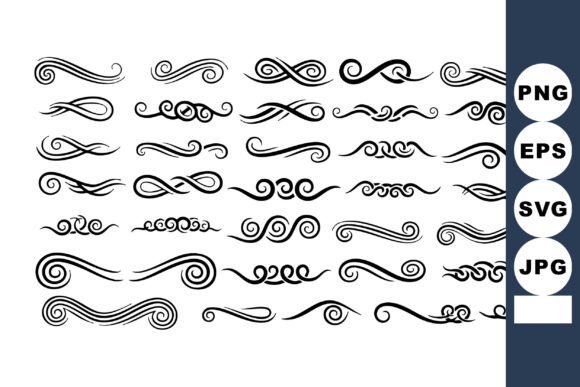
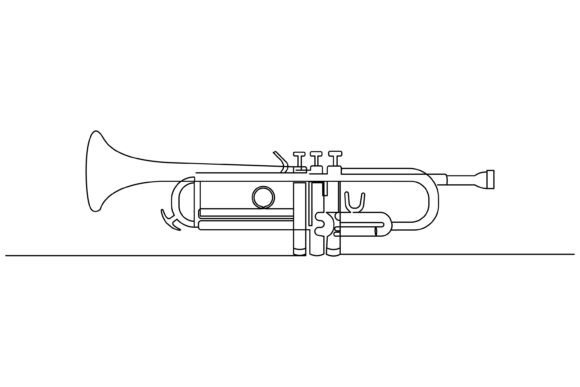
The visual personality of Trumpet One Continuous is minimalist yet sophisticated. Because it relies on a continuous line approach, it avoids the heavy, blocky look that plagues many amateur designs. The decorative elements drawn on a white background suggest a flow that is organic rather than rigid. For embroidery designers, this is crucial. Heavy fill stitches can distort lightweight fabrics, but a design that prioritizes line work often sits flatter and feels more premium to the touch. The mood it creates is artistic and modern, making it an excellent candidate for boutique branding or personalized gifts where subtlety is valued over flashiness.
However, we must address the file formats provided: EPS, SVG, and JPG. These are primarily vector and raster graphics, not native machine embroidery files like PES or DST. This means Trumpet One Continuous falls under the category of Illustrations and Graphics intended for further processing. If you are an experienced digitizer, this is a gift. You have full control over converting these paths into satin stitch, running stitch, or even applique design outlines. If you are a hobbyist expecting a plug-and-play solution, you will need to use digitizing software to convert these assets into a usable embroidery file. This distinction is vital for managing your workflow expectations.
Real-World Application: The Custom Tote Bag Scenario
To test the viability of this design, I imagined a common real-life scenario: creating a custom embroidered tote bag for a local music teacher. Tote bags are typically made from canvas or cotton duck, which are sturdy but can be unforgiving if the stitch density is too high. Using the continuous line concept from Trumpet One Continuous, I envisioned a design that uses a simple running stitch to mimic the original graphic. This approach minimizes fabric pull and keeps the production time low, which is essential for small shop products where margin matters.
The result would likely be clean and crisp. On a neutral-colored canvas, the linear nature of the trumpet allows the texture of the fabric to show through, adding depth to the finished product. Customers often appreciate this "hand-drawn" aesthetic because it feels less industrial than dense satin columns. It enhances the perceived value of the handmade product, suggesting that care was taken in both the design selection and the execution. For an Etsy seller, this kind of subtle sophistication can lead to higher buyer engagement and better reviews, as the item feels unique rather than mass-produced.
Fabric Considerations and Technical Challenges
While the design is versatile, it is not without its pitfalls. The continuous line style requires precision. If you are working with textured fabrics like terry cloth towels or fuzzy fleece, fine lines can get lost. In such cases, you might need to increase the stitch width or add a slight underlay to ensure visibility. Similarly, on stretchy fabrics like those used for baby embroidery or athletic wear, a single continuous line can act like a perforation, potentially weakening the fabric if the stitch length is too long. Always use an appropriate stabilizer to support the material during stitching.
Dark fabrics present another challenge. Since the design is presented on a white background, you must mentally invert the contrast. A light thread on dark fabric works well, but ensure your thread colors offer enough contrast to make the decorative elements readable. Testing the design in black and white mockups before committing to thread is a smart move. This helps you verify that the silhouette remains recognizable even without color cues. For curved surfaces like caps or hats, the linear nature of the design is actually an advantage. It conforms to the curve better than large, solid fill areas, reducing the risk of puckering or distortion.
Commercial Viability and Brand Consistency
For creative entrepreneurs and commercial embroidery businesses, consistency is key. Trumpet One Continuous offers a distinct visual signature that can help build brand recognition. Whether you are using it for holiday embroidery on kitchen towels or as a logo element on staff aprons, the consistent line weight helps maintain a professional appearance. However, because you are working with graphics rather than pre-digitized embroidery files, you must ensure that your digitizing process is standardized. If you outsource the digitizing or do it yourself, keep the stitch settings consistent across all projects to maintain quality control.
When selling finished items, transparency about the design source is important. Check the licensing terms associated with the EPS and SVG files. Some graphic licenses allow for unlimited physical sales but restrict digital resale. Ensure you are compliant before listing your custom apparel or embroidered patches online. This protects your craft business from legal issues and builds trust with your customers.
Practical Designer Notes for Best Results
- Test on Scrap Fabric: Never run a new conversion of Trumpet One Continuous directly on your final garment. Always stitch out a test on similar fabric to check for tension issues and registration accuracy.
- Check Stitch Density: Since you are converting from vector graphics, pay close attention to how your software interprets the line. Avoid creating overly dense satin stitches that may cause bunching. A lighter touch often looks more elegant.
- Verify Hoop Size: Ensure the scaled design fits comfortably within your hoop size, leaving enough margin for the frame to grip the fabric securely without crushing the design area.
- Contrast is King: Select thread colors that stand out against your fabric texture. High contrast ensures the intricate decorative elements are visible from a distance.
- Licensing Check: Confirm whether the license for these Illustrations and Graphics permits commercial use for physical goods. This is critical for Etsy sellers and small business owners.
In conclusion, Trumpet One Continuous is a promising asset for designers who understand the bridge between graphic art and textile craft. It is not a magic bullet, but rather a flexible tool that rewards careful planning and technical skill. By treating it as a foundation for your own digitizing creativity, you can produce stunning, high-value embroidery projects that resonate with customers and elevate your brand. Whether for a personalized gift or a boutique product line, this design has the potential to shine if handled with the right expertise and attention to detail.